 Negative ions can provide surprisingly positive effects on the body and mind. The negative ionization of waves near the beach, and other forms of moving water are known to cleanse both body and soul due to some unique scientific properties.
Negative ions have been proven to enhance mood, improve the appetite, quell allergic reactions, stop headaches and provide essential relief for a number of other ailments.
Let’s take a look at the science behind the positive absorption of negative ions.
By stimulating the reticuloendothelial system negative ions spark the defense cells in this system in order to bolster and increase our resistance to disease. In addition to bolstering our disease defense system, negative ions increase the amplitude of our brain waves, which contributes to an overall higher awareness level throughout our body.
Ion counts exist in many different areas on earth, especially those with high quality fresh air, but the negative ion counts are highest near moving water. Visiting and spending time next to waterfalls and waves is the best way to absorb the rejuvenative powers of negative ions. In a place with fresh air there is generally between 2,000 to 4,000 negative ions per each individual cubic centimeter. In a place with moving water there can be over 100,000 negative ions per cubic centimeter.
Cities can be detrimental on your negative ion count. For example, due to most cities experiencing an ample amount of pollution, negative ion counts can be as low as 100 negative ions per cubic centimeters in urban areas. So what is the solution to overcome this? Get outside of course! Make sure to create some time to leave the city, decompress and reap the positive benefits of absorbing negative ions.
There are some neat tricks to getting your dose of negative ions when you can’t make it outside. Get a negative ion generator, put a fountain or moving water source in your home or even just taking a shower can increase the negative ion count around you.
It is important to absorb negative ions regardless of how you get them. Their healing and rejuvenating properties are beneficial for everybody.
Three Ways to Get Negative Ion Benefits
Negative ions produce many benefits for our everyday health. From helping cure allergies to decreasing the amount of airborne viruses, the benefits are vast and diverse. You may be wondering how to get more negative ions in your life. Well, don’t worry, it isn’t that hard. Check out these three ways you can receive the benefits of negative ions in your life today.
 1. Go to the Ocean
Negative ions are the most abundant in wild places, especially by the sea. Wherever there is moving water expect negative ions aplenty. So go to the beach and soak up some negative ions in addition to soaking up the sun.
 2. USB Stick Ionizers
Technology never ceases to amaze. If getting out into nature is too hard for you because of your daily commute and job, don’t worry, there is a simple a solution. USB stick ionizers plug right into your computer and you can reap the benefits of negative ions even while at your office.
 3. Ionic Light Bulbs
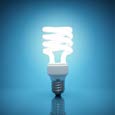
Another miracle thanks to the tech industry is ionic lightbulbs. Ionic light bulbs can be used in a variety of different locations: the home, the office, the garage, your workshop, really anywhere with a light source is a good place to put on ionic light bulb. These light bulbs will produce negative ions whenever they are turned on and have you feeling revitalized in no time.
 In a study published by the National Institute of Health, researchers found negative air ions had a positive effect on the physiological parameters of blood pressure and heart rate, as well as neuronal activity, when applied to a group of rats. It was observed that the negative air ions significantly decreased heart rate and the blood pressure. These findings suggest negative air ions can influence health through the inhibition of neuronal activity.
 Researchers from the Tianjin University of Chinese Medicine tested the efficacy of acupuncture, herbs and drug therapy for heart health, and what they found was incredible. The addition of Traditional Chinese Medicine therapies increased patient outcomes by 28 percent, with regards to arrhythmias, palpitations and tachycardia. The researchers tested prescription medications alone and with the addition of acupuncture and herbs. In this study, the addition of acupuncture and herbs increased the positive effect and decreasing the symptoms the patients were experiencing. The researchers used the exact same protocol for all patients involved in the study. The same acupuncture points, herbal formula and pharmaceuticals were used on all participants. For the treatment group, the effective rate was 92 percent overall.
  Summer is a time of abundant energy, long sunshine-filled days and warmth. In Traditional Chinese Medicine, summer has many different associations that help define it. The element of summer is fire, the color of summer is red, the emotion of summer is joy and the governing organs are the heart and the small intestine. But what does all of this mean? Let’s find out.