 The small intestine is part of the gastrointestinal tract. Up to 90 percent of the digestion and absorption of food occurs in the small intestine and its main function is the absorption of minerals and nutrients from the food we ingest. It is comprised of three separate parts, the duodenum, the jejunum and the ileum. The small intestine measures upwards of six to seven meters long and it has a surface area of over 200 meters. But in the Traditional Chinese Medical system, the small intestine is much more than just its physical traits.
TCM pairs energetic meridians so that they form a complete circuit. There is always a yang meridian and a yin meridian. The small intestine meridian is paired with the heart meridian. Imbalances in the small intestine meridian can lead to problems such as abdominal pain, digestion issues and also appetite problems like overeating or poor appetite. The small intestine meridian starts at the outer tip of the pinky finger and runs up the arm, over the scapula of the shoulder, up the neck and ends in front of the ear. The meridian pathway allows for it to be useful in treating not just intestinal and abdominal issues, but also things like earaches, TMJ, shoulder pain and neck pain.
The small intestine is the controller of the reception, transformation and separation of solids and fluids. It receives food and fluids from the stomach and then transforms them by separating the pure from the impure. The pure essence is dispersed throughout the body and the impurities are flushed into the large intestine for eventual removal from the body.
Since the small intestine is paired with the heart, it should be noted both meridians belong to the movement of fire. The heart meridian expresses movement upwards, while the small intestine meridian expresses movement downwards. And when considering this pairing logically, it makes sense. When we are experiencing heartache or stress (associated with the heart meridian), most of us then have an upset gastrointestinal tract, pain in the abdomen, vomiting, nausea or even a lack of appetite.
The small intestine meridian is particularly sensitive to cold. Therefore eating lots of cold, raw foods can actually lead to problems in the small intestine. When excess cold invades the small intestine, there may be pain around the navel, watery diarrhea or loose stools, frequent clear urination and loud gurgling sounds in the abdomen.
In TCM, the small intestine plays both a physical and a mental role. The mental role of the small intestine is to separate the clear thoughts from the turbid ones. This is another way the small intestine is connected to the heart in TCM. The heart houses the mind and is in charge of all of our mental health. Clear judgement depends on the ability of the small intestine to separate the pure from the impure. When there is dysfunction in the small intestine, then there may also be dysfunction in the mind.
While the small intestine may not seem as important as the heart or the kidneys, it is still an integral part of our body and as such, it should be taken care of equally as well. If you experience any abdominal or emotional issues, turning to a licensed acupuncturist may be a good start. But most of all, take good care of your gastrointestinal health and your body will respond favorably.
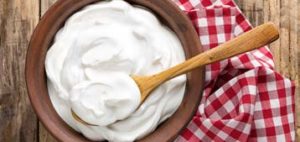 Ingredients:
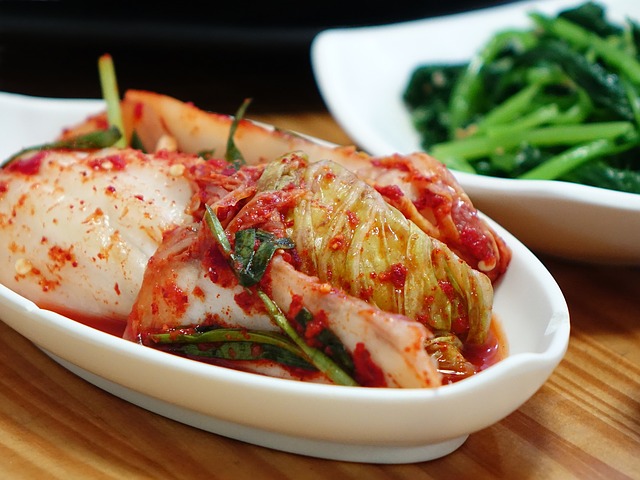 The modern world is changing every single day. Because of this constant state of change, our bodies are frequently having to adjust. We have a food supply being degraded and depleted of nutritional content, which in turn, causes our bodies to become depleted. Our soil and water is contaminated with antibiotics and deadly fertilizers. All of which become part of the food chain we rely upon. Because of this, antibiotics are failing and superbugs like MRSA are on the rise. Lack of nutrition and the overuse of antibiotics are just a couple of the things wreaking havoc on our intestinal health. But there are ways to combat this and keep the gut healthy.
  Tired of having to use your glasses or contact lenses in order to see? Well, look no further, there is a natural way to regain your eyesight and retain optimal eye health. The method that makes this possible is called the Bate’s Method. Created by Dr. William H. Bates in 1891, the Bates Method has been used as an alternative form of ophthalmology for over a hundred years.
 In the world of Traditional Chinese Medicine, the liver energy flows upward into the eyes. When this energy is flowing smoothly and working as it should, your vision is clear and sharp, you have efficient night vision and the eyes are bright and well-lubricated.