Spring is generally regarded as a happy season, especially for those that live in areas where winter is cold and dark. Spring brings with it longer days, more sunshine, the rebirth of plants and more activity. But for many, the months of spring can also bring irritability, anxiety, sinus issues, allergy flare-ups and even colds.
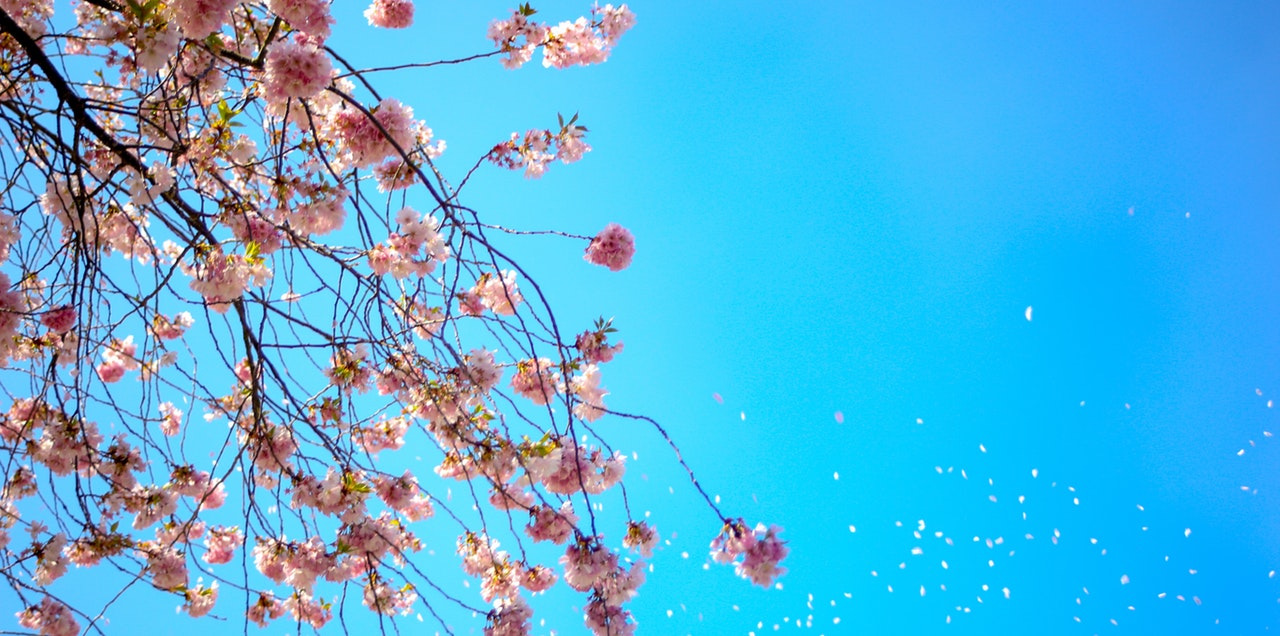
Traditional Chinese Medicine (TCM) has been around for nearly 3,000 years, which gives the medical system, as a whole, a lot of credibility. TCM classifies things in many different ways. There are five seasonal associations in TCM – winter, spring, summer, late summer and fall. Each season has its own unique set of properties and associations. Spring is associated with the wood element. The wood element governs the liver and the gallbladder and their energetic pathways in TCM. The five seasons and their corresponding elements interact with one another daily, creating balance and harmony or complete chaos within the body.
The season of spring is a time of expansive movement and growth. Spring is a time of creativity and planning. Since the liver and gallbladder are associated with the tendons and are responsible for the smooth flow of energy and blood throughout the body, our daily activities should reflect this. Being more active and spending more time outside can be great ways to strengthen the liver and gallbladder energies during the months of spring. We should imitate the budding trees and flowers and allow ourselves to grow and reach for bigger and better goals during the spring.
The color green is the color of spring in TCM. During these months, fresh greens are abundant. It is highly recommended that we incorporate more fresh greens into our daily diets. Greens have been shown to be very beneficial for helping the liver do its job, detoxifying the blood. Dandelion greens, in particular, are a good source for detoxification, which ultimately strengthens the liver and gallbladder meridians.
It is also recommended to avoid excessive stimulants during the spring months. Things like coffee are considered expansive and energizing, which can be somewhat helpful during the cold winter months. But during the spring, when life is abounding, excess energy can actually be harmful to the body. It can create headaches, insomnia, anger and more.
When a person is completely balanced, transitioning from one season to another is not such a big deal. However, knowing what elemental type you are can also be very beneficial in determining how you will react to each passing season. For instance, a person who has a wood element constitution, may experience anger during the spring. This is because the wood element is already closely associated with the emotion of anger and spring brings added stimuli that can trigger fits of rage.
One way to keep the body balanced is through acupuncture and TCM. The body is designed to maintain proper balance, but we tend to not pay attention to the warning signs until we experience pain or illness. Getting regular acupuncture treatments can work as preventive medicine, providing harmony throughout every season of the year.
If you experience feelings of anxiety, anger or even self-loathing, acupuncture can help. It can also help with those seasonal allergies that might flare up. Acupuncture is a wonderful way to maintain health and balance all year long. Be sure to find a fully licensed acupuncturist in your area, so you can enjoy spring without any emotional or physical impairments.
Reasons You Should Get Acupuncture This Spring
Muscles Feel Stiff and Tight: This can be caused from the lack of movement throughout the winter months. If this is something you experience at the beginning of spring, then acupuncture can help. The liver and gallbladder nourish the tendons, ligaments and connective tissues throughout the body. During the winter months, many people forget to drink water and this can affect the muscles and joints. Acupuncture can actually stimulate the flow of blood to the muscles and joints which allows them to heal and become flexible again.
Irritability or Anger: Many people report they feel irritable or angry during the spring. This is because the emotion associated with the liver is anger. When the liver is imbalanced, the emotions can become stagnant. Acupuncture is a great way to balance the liver and the emotions.
Eyes are Irritated: The liver, the organ associated with spring, opens to the eyes. Therefore, any issues related to the eyes and eye health are usually attributed to liver imbalance. This may include dry eyes, eye fatigue, allergies and pain. Studies have shown acupuncture is more effective than Western Medicine and over-the-counter medications for eye issues.

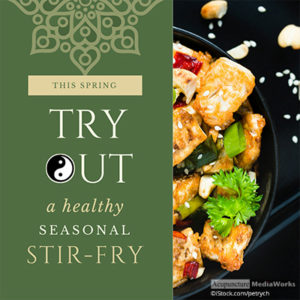 If you are looking to spice up your family meal this spring, why not try a healthy chicken stir fry. A meal that is colorful, warm, seasonal and easy to make.
 Spring is a time of renewal, regeneration, growth and energy. Plants and animals awaken from their slumber during the cold winter months, and vital nutrients stored in the roots of the plants and bodies of the animals come to the surface as life becomes more vibrant and fluid.
  The American Journal of Rhinology and Allergy published research that found acupuncture effective for the treatment of allergic rhinitis. Allergic rhinitis is also known as hay fever. The researchers compiled the results from 13 quality studies, which followed 2,365 participants. The various studies confirmed acupuncture significantly lowers the antibody known as immunoglobulin E or IgE. IgE is the antibody associated with allergies and hypersensitivities. The researchers found not only was the IgE antibody lowered, but so too were the symptoms associated with allergic rhinitis. The participants also reported better quality of life.
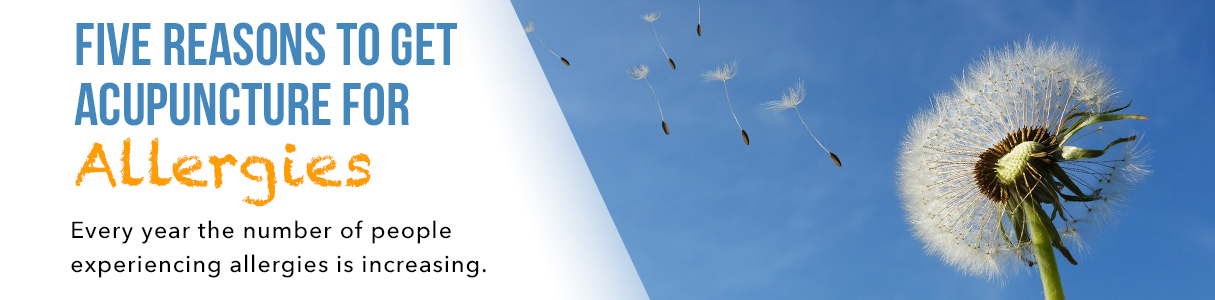 Allergies, seasonal or otherwise, is one of the biggest health issues people deal with in the United States. And the numbers are rising every year. Part of this is because our agricultural practices have changed drastically in the past 40 years and our bodies are not accustomed to dealing with genetically modified foods or the excessive amounts of pesticides now being put in and on our food. We are also being over-medicated with antibiotics used in livestock we eat and that we are prescribed by our own doctors. This has created superbugs like MRSA that no longer responding to antibiotics. Our immune systems just can’t keep up. So every year, the number of people experiencing allergies is increasing.