
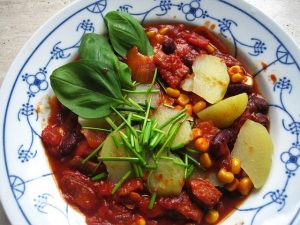
 Everybody knows that food is what gives our bodies the energy we need to survive. But not everybody is aware that certain foods should be consumed during specific times of the year. In areas like the Midwest, where fruits and vegetables are harder to keep on hand when the weather becomes colder, this principle is followed a little more closely. But in areas like Hawaii and Southern California, where fresh fruits and vegetables are always available and the climate is more moderate, people sometimes forget to eat according to the seasons.
Traditional Chinese Medicine is a medical system that has been around for nearly 4,000 years. When this system came into being, people were much more in tune with the seasons and their environment. The foods they consumed were based on the seasons and when those foods were available. This is a system that should be followed for people to remain healthy throughout the year, regardless of where they live.
In Traditional Chinese Medicine, winter is a time of reflection and rejuvenation. The body needs the extra hours of darkness to repair. The kidneys are the center of energy in the Traditional Chinese Medicine system and thus, they need to be nourished during the winter months. It is recommended we consume foods that are warming and that will boost the kidney energy. We also need to eat foods that benefit the Shen (spirit) so that the winter months don’t bring about depression.
Things like soups and stews are extremely important during the cold winter months. Energetically, warming foods such as anchovies, bay leaves, chestnuts, chicken, fennel, leeks, mussels, mutton, nutmeg, pine nuts, sweet potatoes and walnuts are all great to incorporate into the diet. Also, foods that boost kidney energy are just as important. Items like millet, sesame seeds, kidney beans, lamb, beef, goose, duck, eggs, grains, seeds and nuts are all good tonics for the kidneys. Bone broth is another important food to consume during the winter months, as it supports the bones and the kidneys. It is recommended that the foods be cooked for longer periods and at lower temperatures to retain as much energy as possible. It is also advisable to eat more food with bitter flavors while reducing salty flavors, so that heart health is promoted and the workload of the kidneys is reduced. Bitter-flavored foods include apricot, asparagus, celery, coffee, tea, grapefruit, lettuce, kale, vinegar and wine.
One of the most commonly used foods is something known as congee. Congee is a thick grain-based soup or porridge. Congee is used in a preventive fashion to promote good health and strong digestion. Congee can be made with a single grain, like brown rice, or a combination of grains, beans, vegetables and medicinal herbs. Incorporating this item into the daily diet will improve energy levels over time. Congee is prepared in a crock pot overnight, which fits in perfectly with the aforementioned principles of slow cooking at lower temperatures. It is said that the longer the congee cooks, the more powerful it becomes.
Incorporating the foods listed above during the winter months, can be a wonderful way to boost your energy throughout the season. And this will also help in the seasons to follow, as the body will be healthier and better prepared.



 It’s that time of year again…the weather is getting colder, the leaves have fallen off the trees and people are beginning to trickle into the office with autumn colds and allergies. As an acupuncturist, I have to say I rarely get sick. I have lots of tools and tricks in my bag to stay healthy during cold season, and I’m happy to share some of them with you!
 The ancient Chinese developed a system of medicine thousands of years ago and that system is still used around the world today. This system incorporates more than just medicine though. Traditional Chinese Medicine practitioners also educate their patients on how the seasons affect the body and ways to stay healthy. This will ultimately lead to a long, healthy life.
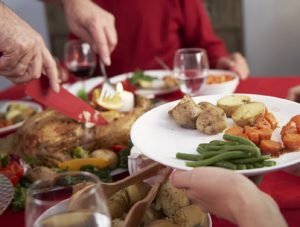 A 2015 study published by the World Journal of Gastroenterology seeks to explain the connection between acupuncture and the regulation of gastrointestinal function. The study starts by explaining that in China acupuncture has been an effective form in battling gastrointestinal dysfunction diseases for thousands and thousands of years. Despite this information, there has not been enough review and academic writing on the topic, that is why this study looks to prove and explain the true extent of the connection between digestion and acupuncture.