
 The adrenal glands are endocrine glands that produce multiple hormones. The adrenals are located directly above the kidneys and they are vital to human existence. The hormones produced by the adrenals are particularly important during times of stress. Adrenaline and naturally occurring steroids such as aldosterone and cortisol are made by the adrenals. These hormones help the body control blood sugar, burn fat, react to stressors and regulate the blood pressure. This makes the adrenals extremely important.
Traditional Chinese Medicine views things differently than Western medicine, but the adrenal glands are still an important part of the body. TCM treats the adrenal glands as part of the kidneys and the kidney energetic pathway. This means the adrenal glands are part of the water element. The kidney area is seen as a key role player that determines the quality of life in TCM. This is because the kidneys control the internal Qi (pronounced “chee”), which is considered the body’s life force.
The body is a complicated machine that has a very efficient self-regulating system. When the body is depleted of quality food or sleep, then it will not be able to function and carry out all the important functions. This is why many people experience eating binges or extreme fatigue accompanied by excessive sleep when they are under severe stress.
Everyday stress can drain the body of energy, nutritional reserves and Qi over time. When this occurs, the body may experience a breakdown, a drop in immunity or great fatigue. If this continues, adrenal fatigue may develop. Adrenal fatigue is a condition where the adrenal glands become weak and then produce insufficient amounts of the hormones needed for everyday life. Symptoms of adrenal fatigue include low libido, food cravings, general malaise, emotional problems, weight gain, low immunity, difficulty concentrating and thyroid issues.
TCM offers a couple of possible solutions to treating weakened adrenal glands. Acupuncture treatments and moxibustion can greatly help the adrenals. Regular acupuncture treatments can strengthen the kidneys. Over time, the adrenals/kidneys will regain some of their Qi, thus helping the body to fuel and heal itself. Acupuncture is so effective because it helps reduce stress and it turns on the relaxation part of the nervous system. When the relaxation side of the nervous system is turned on, the heart rate will return to normal, digestion will improve and sleep will become deeper and more restful.
Moxibustion is another tool in the TCM toolbox that can help heal the adrenal glands. Moxibustion is the burning of a dried herb, specifically mugwort. The mugwort is placed on specific acupuncture points that are known to tonify or improve the Qi associated with the kidneys/adrenal glands. Both moxibustion and acupuncture can be performed frequently to help bring the body back into balance.
Incorporating healthy eating habits, regular exercise and restful sleep can also keep the adrenal glands performing well. But when we are stressed, many of the things we know are good for us, tend to get moved to the back burner. This is where getting regular acupuncture treatments can be very beneficial. So if excessive stress is a factor in your life, consider adding acupuncture treatments that can help you relax mentally and keep you healthy physically.
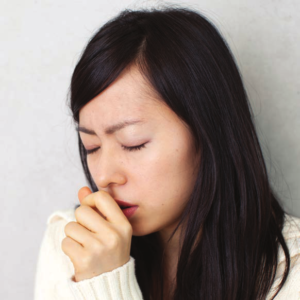 The common cold is something everybody deals with and there are a thousand different suggestions on how to avoid catching a cold. Everything from megadoses of vitamin C to increasing your sleep time. And while some of these are not bad ideas, there is not a lot of proof they can prevent a cold. Some people have stronger immune systems than others and this plays into how often they get sick. Also, there are many environmental factors to account for. And while nothing is going to work every time for every person, there are still ways a person can prepare for cold season.
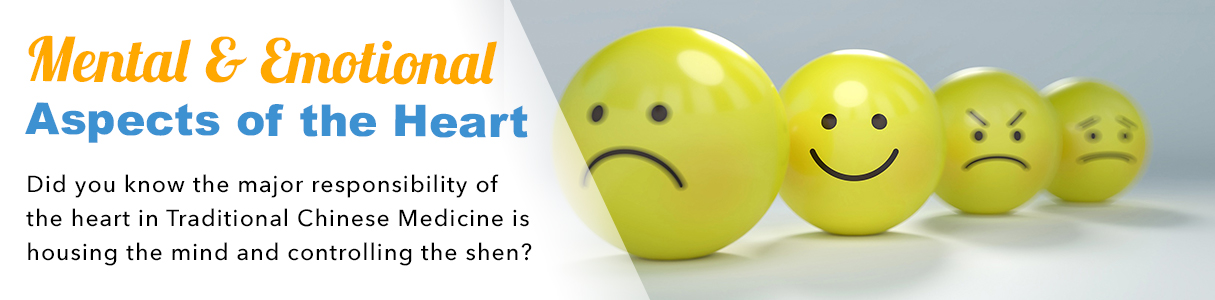
  In Traditional Chinese Medicine, the heart is the organ most closely linked to emotion. Think about all the terms we use every day to describe our state of mind: “heartsick,” “heartbroken,” “heartache” The heart is not the director of subtlety; the emotions it encompasses seem to always be on the far end of the spectrum, either extreme sadness or extreme joy.
  A study published in Anesthesiology: The Journal of the American Society of Anesthesiologists, Inc., tested electroacupuncture for its effectiveness in treating persistent pain. Although the subjects used in the study were animals, the findings can be easily translated and adjusted so the same methods can be used to treat human beings. The studies showed that electroacupuncture can greatly decrease several types of pain, including neuropathic, inflammatory, cancer-related and visceral pain. The studies showed solid evidence that electroacupuncture can indeed be used for analgesia in patients that are suffering from chronic pain, regardless of the type of pain.