Skip to content

The Liver: Mental & Emotional Aspects

According to Traditional Chinese Medicine (TCM), the organ connected to springtime is the liver. The liver is connected to the wood element, which refers to living and growing things like plants, trees and humans. In TCM, practitioners use the mental and emotional characteristics of the liver to diagnose and treat imbalances in their patients as well as its physical manifestations.

When the emotional aspects of the liver are working as they should, you are able to stand firm in your convictions, with proper boundaries between you and others around you. The liver influences confidence and assertiveness, and the ability to make decisions and stick by them. The liver also has a lot to do with stress and anger. Physically, an imbalanced liver can create tight tendons, necks and shoulders, and emotionally  it can lead to a tightness of the spirit.

The key emotions of the liver are anger and frustration. So what would lopsided liver energy look like to a casual observer?  Imagine this: a red-faced hypertensive man waiting impatiently in line at a store, huffing and puffing because he has to wait like everyone else. He is pointedly looking at his watch and glaring at the cashier. Every once in awhile he bumps into the woman in front of him as he checks his watch, and she moves back, submitting to him and allowing him to take over her personal space. He is becoming more and more furious by the minute, because he is late for his scheduled activities. Most people would describe this guy as controlling and overbearing, but in the world of acupuncture, his liver energy is simply out of sync.

When the liver isn’t doing its job, everything in the body tends to rise upward. In these types of patients, you can often see the physical manifestations of their emotional state. These patients might hold everything in their bodies in a tight, rigid manner. They often clench or grind their teeth in anger and frustration. Their faces might be suffused with color. That doesn’t mean all people who have a liver imbalance act this way, or that the liver is responsible for creating miserable “Type A” individuals. This liver energy is necessary for keeping us on track. Without it, we wouldn’t have a sense of purpose, and we wouldn’t be able to get anything done.

The key is balance. We could take another look at that line the angry man was in, and take into consideration the woman who was bumped into. Her imbalance of liver energy in the opposite direction creates a lack of boundaries, allowing her to have a “pushover” mentality. When someone steps into her personal space, she steps back. She lacks the assertiveness that a strong liver energy can bring forth.

When kept in a state of equilibrium, the liver can move us toward our goals, allowing us to plan and follow a steady course. It can keep us on track with our plans and ambitions, and protect us from those who want to cross our boundaries and take our energetic reserves.

Posted in | Comments Off on The Liver: Mental & Emotional Aspects

What’s Inside Your Medicine Cabinet?

Springtime is a natural time for cleansing, whether in terms of cleansing the diet or clearing out the garage. In this article, we’ll offer some spring cleaning for your medicine cabinet: natural remedies to allow you to literally clear out old bottles and internally cleanse your body of synthetic medications.
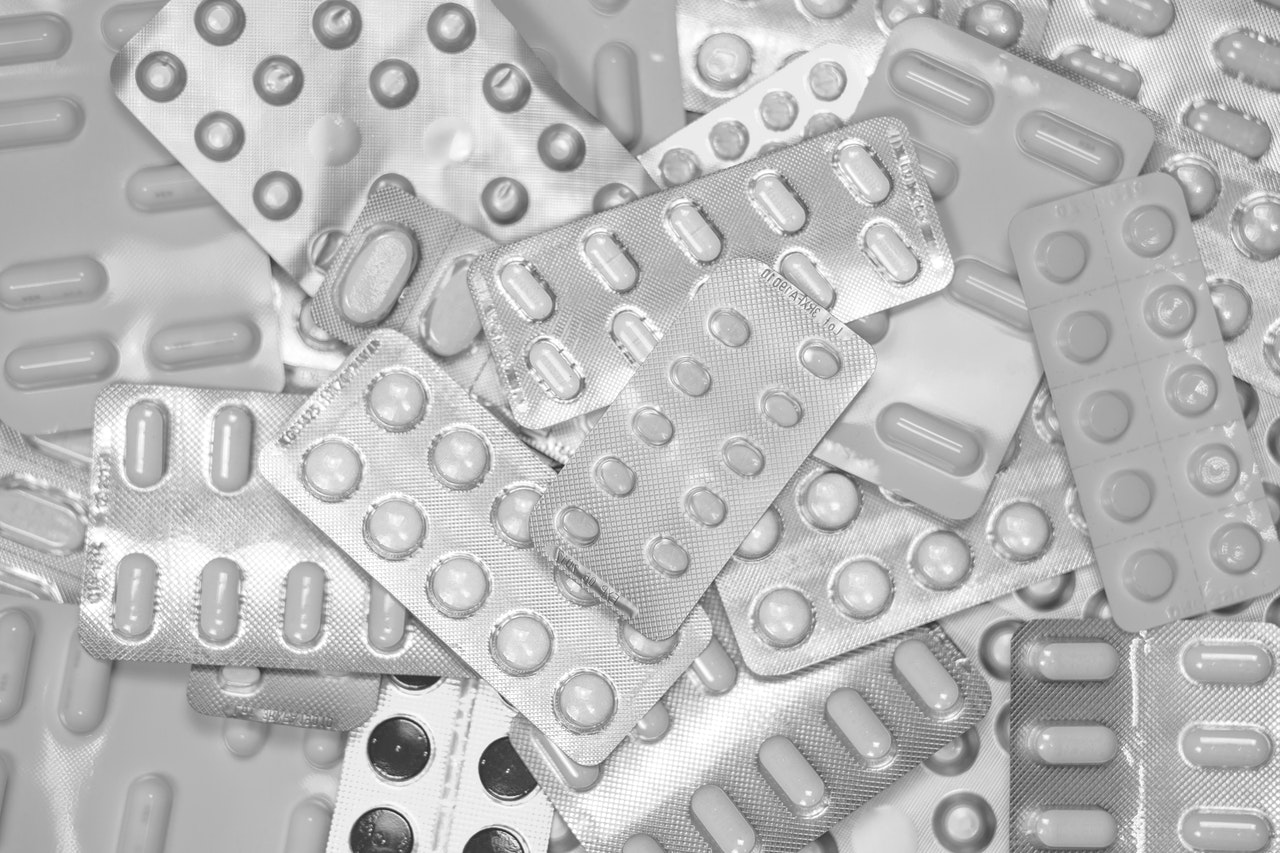
We all have a medicine cabinet, drawer or cupboard in our homes filled with seemingly harmless over-the-counter drugs, bandage material and other toiletries. Unfortunately, many of the things in your medicine cabinet can be potentially dangerous and even lethal. The good news is, a lot of these items can be replaced with natural substitutes.

Painkillers / Anti-inflammatories

Painkillers like ibuprofen and naproxen can be effective for relieving a headache or reducing inflammation in the joints. But these medications were not designed to be taken on a long-term basis and here’s why: Long term usage of NSAIDS (non-steroidal anti-inflammatory drugs) has been proven to eat away at the lining of the gastrointestinal tract, which can then lead to ulcers. They also can increase the risk of heart attack, heart failure and stroke, even in people who have no existing heart conditions. So, when you have achy joints or a headache, reach for something more natural. Turmeric and/or ginger are wonderful natural substitutes that can be taken daily to help reduce the pain and inflammation associated with achy joints. For headaches, try a dab of peppermint or wintergreen essential oil on the temples. You can also try eating pineapple regularly. Pineapple contains an enzyme called bromelain. Bromelain is known to reduce inflammation.

Heartburn and Indigestion Medications

Many people suffer from heartburn and indigestion and then reach for proton-pump inhibitors (PPIs) like omeprazole or pantoprazole. These medications are proving to be more harmful than helpful, though. Numerous studies have linked long term use of PPIs to kidney failure and even dementia. But for those who suffer with heartburn, it’s a really tricky balancing act that ultimately comes down to what they eat. The pain can be excruciating. PPIs reduce stomach acid in the gastrointestinal tract, thus reducing pain. Over time though, users of PPIs can wean themselves off these sometimes harmful medications. Substitutes like aloe vera juice, organic apple cider vinegar, baking soda and cranberry juice can all help reduce excess stomach acid production naturally. Ginger and peppermint can soothe the pain associated with acid reflux, heartburn and indigestion.

Cough Syrup and Cold Medications

Even the healthiest of people will get sick at some point. Over-the-counter (OTC) cough and cold medicines are abundant and while some may work, they can come with some potentially harmful side effects. Dextromethorphan hydrobromide is a cough suppressant and promethazine is an antihistamine. Both are commonly found in OTC cold medications. These drugs can cause hives, difficulty breathing, facial swelling, dizziness, anxiety, restlessness and nausea, just to name a few of the side effects. There is also the potential for abuse if not taken properly. But again, there are natural substitutes that have no side effects and in many cases work more effectively. Honey not only helps with a cough, but it also soothes a sore throat. Pineapple juice is another great cough suppressant. Peppermint and thyme are also good for suppressing coughs and opening the sinuses.

When opening up that medicine cabinet, think about this: Nearly every OTC medication was once derived from a natural precursor. Aspirin, for instance, is derived from willow bark, and the main reason it is now produced in synthetic-pill form is that somebody saw an opportunity to make money. So before you pop a pill, consider seeking a natural remedy first. This includes things like traditional Chinese medicine. Acupuncture plus herbal formulas can be a wonderful alternative to those harmful medications. Also, don’t forget to evaluate your daily diet. Diet can play a big role in how your body heals. Making minor adjustments to your eating habits and adding acupuncture to your health regimen can alleviate stress, decrease pain and boost your immunity. Remember, you ultimately have the choice when it comes to your health and what you put in your body. Be sure to take the time to make informed decisions that aren’t detrimental.
Posted in | Comments Off on What’s Inside Your Medicine Cabinet?

Dandelion: Detox With This Yellow Charmer

Next time you’re in a wide open field, pasture or meadow dotted with beautiful yellow dandelions, know that these prolific little delights are not only beautiful, but packed with nutrition and offer a host of healthy benefits. Let’s explore this amazing flower. continue reading »

Posted in Herbal Medicine, Traditional Chinese Medicine | Tagged , , , | Comments Off on Dandelion: Detox With This Yellow Charmer

Research Update: Acupuncture and postoperative nausea and vomiting

Postoperative nausea and vomiting, often caused by the body’s response to anesthesia, is a very common symptom. Depending on the severity, this can prolong a patient’s recovery time and the length of their hospital stay as well as cause complications to the surgery depending on the type and extent of nutrient-depletion caused by the vomiting.

Medications aimed at treating nausea are expensive and can cause side effects of their own, but a growing body of research is showing acupuncture can be an effective alternative.

A 2013 report published in the Public Library of Sciences measured the efficacy of acupuncture in treating postoperative nausea and vomiting by statistically analyzing the results from over 1200 patients. Acupuncture was determined to be a safe, efficient and economic prevention and treatment method.

In 2017, a study published by the National Institutes of Health looked at the effectiveness of the specific acupuncture point, P6, in treating postoperative nausea and vomiting for women after gynecological surgeries. In the study, 47 women were given a wristband that applied pressure to P6 during the first 12 hours after their operation. Fifty other women, the control group, were given traditional nausea medication during and after their operation.

The study found the wristbands were effective in preventing vomiting, and even more effective in significantly reducing the intensity of the nausea the women experienced. The researchers concluded wristband P6 acupressure application is an excellent alternative to pharmaceutical methods of treatment.

Other studies have shown acupuncture is effective in treating nausea caused by chemotherapy, gag-reflexes induced during dental work that can limit the ability of dentists to provide care, and morning sickness during the beginning of a woman’s pregnancy term.

Acupuncture and acupressure are natural methods of treating nausea, allowing people to limit the amount of pharmaceuticals entering their system, which can be especially beneficial in the case of postoperative care or chemotherapy, where the body is already being bombarded with synthetic drugs. With acupuncture, patients can avoid complicating their health by introducing further side effects that can arise from synthetic drug use.

Acupuncture can also be done in conjunction with Western treatments, which can reduce the dosage of pharmaceuticals a patient needs and provide even better overall results. Acupuncture is also often used as part of a multifaceted treatment plan that can include Chinese herbal tonics and exercise or movement plans. Traditional Chinese Medicine, TCM, often employs these three practices together to get the best results. Traditional Chinese medical thought looks at the body holistically, and therefore addresses ailments holistically, treating the root problem instead of just the presenting symptoms.

By learning more about the uses and availability of acupuncture, you can make personalized decisions about your healthcare should you find yourself in one of these circumstances. If you would like to learn more, or to seek treatment for yourself or a loved one, contact a licensed acupuncturist in your region.

https://www.healthcmi.com/AcupunctureContinuingEducationNews/1742-acupuncturebeatsdrugforindigestionrelief

https://www.ncbi.nlm.nih.gov/pubmed/30449440

Posted in Uncategorized | Comments Off on Research Update: Acupuncture and postoperative nausea and vomiting

Research Update: Acupuncture and IBS

In a 2014 study published in the World Journal of Gastroenterology, researchers conducted a meta-analysis of six randomized, placebo-controlled, clinical trials and found acupuncture had a statistically significant, positive effect on IBS symptoms. The study found acupuncture was helpful in alleviating a variety of symptoms, including abdominal pain, stool state, and abdominal distention, among others.

Between 25 and 45 million people suffer from irritable bowel syndrome, IBS, in the United States. Symptoms of IBS vary from person to person, but IBS is commonly characterized by intestinal pain and either diarrhea or constipation. Symptoms also vary from moderate to severe, but either way, the discomfort needs to be managed long term.

The cause of IBS is not completely known, but one hypothesis suggests it has to do with a disruption of neurotransmission between the intestines and the central nervous system.

Along with diet and lifestyle changes to manage the symptoms, some people turn to medication for support. Systematic reviews of IBS medication have shown inconsistent success, and no one drug has been found to treat all the symptoms of IBS. In light of ineffective and expensive medications, many people have started turning to acupuncture in order to address the symptoms of IBS.

Digestive disturbances are often related to inflammation of some kind, which is one of the conditions acupuncture has been proven to address very well. There are also acupuncture points specifically related to metabolism, increasing gastrointestinal muscle contraction and relaxation, reducing gastric acid secretion, regulating large intestine function and balancing stomach acidity, all of which can support balanced digestive function and support patients with IBS.

Digestive disturbances are also often related to chronic stress in a person’s life. Many acupuncture points are related to reducing stress in the body.

Lastly, digestive disturbance is also linked to people’s diet and nutrient deficiencies in the body. Traditional Chinese Medicine, or TCM, is the medical umbrella under which acupuncture falls. TCM treatments are often a combination of acupuncture, herbal tonics and exercise or movement. Chinese herbs can balance out many nutrient-deficiencies a person might be experiencing that can exacerbate IBS. TCM is a holistic philosophy that incorporates symptom relief as well as lifestyle and diet considerations to develop a well-rounded, personalized treatment plan.

IBS can be a debilitating condition, but it doesn’t have to be. Acupuncture and Chinese herbs can be a great alternative for managing the symptoms. If you or a loved one struggles with IBS, contact a licenced acupuncturist in your area to learn how they may be able to help you find relief.

https://www.ncbi.nlm.nih.gov/pmc/articles/PMC3930986/

Posted in Uncategorized | Comments Off on Research Update: Acupuncture and IBS
8123744518 Directions Contact/Schedule