 Postoperative nausea and vomiting, often caused by the body’s response to anesthesia, is a very common symptom. Depending on the severity, this can prolong a patient’s recovery time and the length of their hospital stay as well as cause complications to the surgery depending on the type and extent of nutrient-depletion caused by the vomiting.
Medications aimed at treating nausea are expensive and can cause side effects of their own, but a growing body of research is showing acupuncture can be an effective alternative.
A 2013 report published in the Public Library of Sciences measured the efficacy of acupuncture in treating postoperative nausea and vomiting by statistically analyzing the results from over 1200 patients. Acupuncture was determined to be a safe, efficient and economic prevention and treatment method.
In 2017, a study published by the National Institutes of Health looked at the effectiveness of the specific acupuncture point, P6, in treating postoperative nausea and vomiting for women after gynecological surgeries. In the study, 47 women were given a wristband that applied pressure to P6 during the first 12 hours after their operation. Fifty other women, the control group, were given traditional nausea medication during and after their operation.
The study found the wristbands were effective in preventing vomiting, and even more effective in significantly reducing the intensity of the nausea the women experienced. The researchers concluded wristband P6 acupressure application is an excellent alternative to pharmaceutical methods of treatment.
Other studies have shown acupuncture is effective in treating nausea caused by chemotherapy, gag-reflexes induced during dental work that can limit the ability of dentists to provide care, and morning sickness during the beginning of a woman’s pregnancy term.
Acupuncture and acupressure are natural methods of treating nausea, allowing people to limit the amount of pharmaceuticals entering their system, which can be especially beneficial in the case of postoperative care or chemotherapy, where the body is already being bombarded with synthetic drugs. With acupuncture, patients can avoid complicating their health by introducing further side effects that can arise from synthetic drug use.
Acupuncture can also be done in conjunction with Western treatments, which can reduce the dosage of pharmaceuticals a patient needs and provide even better overall results. Acupuncture is also often used as part of a multifaceted treatment plan that can include Chinese herbal tonics and exercise or movement plans. Traditional Chinese Medicine, TCM, often employs these three practices together to get the best results. Traditional Chinese medical thought looks at the body holistically, and therefore addresses ailments holistically, treating the root problem instead of just the presenting symptoms.
By learning more about the uses and availability of acupuncture, you can make personalized decisions about your healthcare should you find yourself in one of these circumstances. If you would like to learn more, or to seek treatment for yourself or a loved one, contact a licensed acupuncturist in your region.
https://www.healthcmi.com/Acupuncture–Continuing–Education–News/1742-acupuncture–beats–drug–for–indigestion–relief
https://www.ncbi.nlm.nih.gov/pubmed/30449440

 In a 2014 study published in the World Journal of Gastroenterology, researchers conducted a meta-analysis of six randomized, placebo-controlled, clinical trials and found acupuncture had a statistically significant, positive effect on IBS symptoms. The study found acupuncture was helpful in alleviating a variety of symptoms, including abdominal pain, stool state, and abdominal distention, among others.
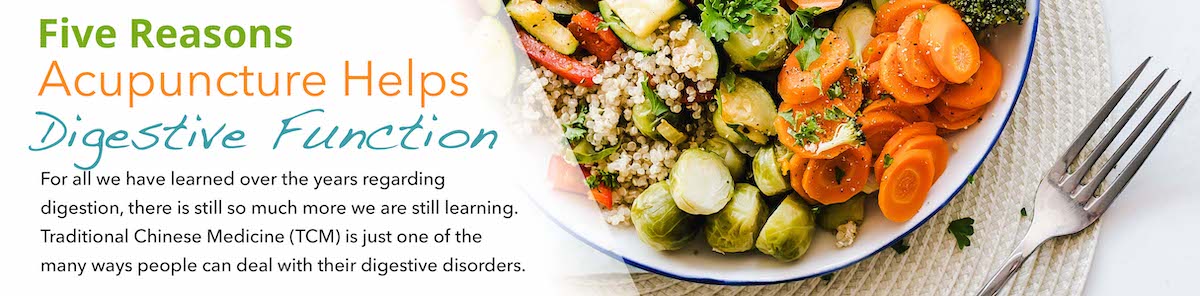 Digestion is a complex task performed by the body. It begins in the mouth and finishes when the ingested food leaves the body through the rectum. For all we have learned over the years regarding digestion, there is still so much more we don’t know or are still learning. For example, it wasn’t until recently, the last 10 years or so, that modern medicine confirmed our gastrointestinal tract is our second brain. This discovery is drastically changing the way the body and its many functions are viewed, because everything we put in our mouths can potentially have life-altering effects on the mind, as well as the body.
 Acid reflux is very common in today’s world. Statistics show 60 percent of the adult population in the United States will experience some type of gastroesophageal reflux disease or GERD at some point in their lives. Currently there are seven million people in the U.S. living with some form of GERD. Acid reflux is the acute form of GERD, but it can become chronic and create much bigger problems for the sufferer. Acid reflux can affect anybody, including infants. It occurs when the muscle at the end of the esophagus, the lower esophageal sphincter (LES), doesn’t close properly or tightly enough. This allows digestive juices and stomach content to “back up” into the esophagus. Modern medicine treats acid reflux with medications like Omeprazole. However, long term usage of this medication can lead to kidney failure.