 Acupuncture views things differently than other medical systems. In TCM, there are guidelines that are considered very logical when it comes to the seasons. These guidelines lay out what foods and activities are best for each season of the year. Chinese medicine teaches us to live in harmony with the seasons. In TCM, there are actually five seasons – summer, late summer, fall, winter and spring. Every season has many associations which help guide people to create a more balanced life. When TCM was being developed, people lived in harmony with nature and they lived healthy, balanced lives. In modern society, we have gotten away from our connection with nature and we have many more distractions that have ultimately led us to become unbalanced and unhealthy.
Winter represents the most yin aspect of Chinese medicine. The properties associated with yin include darkness, cold, slow movement and inward energy. Winter is associated with the kidneys in TCM. The kidneys hold the body’s fundamental energy or Qi. By balancing ourselves with the corresponding seasons, we can prevent disease and stay healthy. So for the season of winter, we should take note of what happens in nature and do the same. To keep the kidneys strong, we must rest. This is why many animals hibernate during the winter. It is also a time to reflect inward and perform activities such as meditation, tai chi and qigong. These are the kinds of practices that help us connect with our inner selves and also support kidney energy.
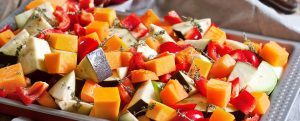
When it comes to foods most beneficial for the body during the winter months, there are many to choose from. These should also be ones that naturally grow during this season. Items such as squash, potatoes, pumpkin, sweet potato, cinnamon, nutmeg, cardamom, beets, greens, carrots, mushrooms, apples, pears and cabbage. During the winter months, cold foods like salads and raw foods should be avoided as they will deplete the immune system. Instead, our bodies need warming foods like soups made with hearty vegetables. Bone broth is also very beneficial and becoming more mainstream. There are also foods that specifically target and nourish the kidneys. These include kidney beans, beef, goose, duck, black beans, lamb, chicken, dark leafy greens, garlic, ginger, walnuts, watercress and turnips. Sea salt is also helpful. Salty is the taste associated with the kidneys. But as with anything, moderation is key. Too much salt can actually tax the heart, which then causes the kidneys to work overtime.
You should cook for longer periods of time and on low heat with less water, so things like stews are perfect for this time of year. The longer cooking times will infuse the foods with more heat, which will help keep the body warm. It is recommended to bake, roast, stew and slow cook foods in the winter. Hearty soups, roasted nuts and whole grains should be consumed when possible because they offer nourishment that feeds the body as well as the kidneys specifically.
By taking cues from nature and ancient healing practices, better balance can be achieved and health can be maintained. Those that went before us may not have known everything, but they did know how to survive or we would not be here today. Trusting the teachings of our ancestors will allow us to continue to survive also.
 The organs in Chinese medicine are more than just a physical representation. The organs include not only their physiological function, but also mental, emotional, spiritual and elemental qualities that align with nature and the seasons. Let’s explore the kidneys.
 While the flu is actually not a season, we have become programmed to think of it as the months of November through March. On average, the flu hospitalizes thousands every year, especially the young and elderly. There are also a number of deaths related to the flu, mostly due to people already having compromised immune systems.
 The season of winter is a time of slowing down and hibernation. According to Traditional Chinese Medical theory, the winter months are the perfect time to recharge your batteries and to start storing up the body’s vital energy reserves. The ancient Chinese believed humans should be at peace and in harmony with nature and follow the natural cycles of the seasons, while taking cues from the surrounding environment.
 Every New Year we lay out a numerous amount of positive goals we hope to achieve. With the New Year comes new responsibilities, changes and a chance to start fresh. New Year’s resolutions are a big part of most individual’s fist week in January, but people begin to lose track of the goals they set as the month drags on. Work, school, family and other obligations can fill up your schedule, and you may find yourself forgetting about those New Year’s resolutions you made just a few weeks ago. But, with the SMART goal method you can make sure you achieve your New Year’s resolutions. The SMART method creates a full-proof plan to keep you on task and to make sure those resolutions become reality.