Skip to content

Acupuncture and the Small Intestine

The small intestine is part of the gastrointestinal tract and up to 90 percent of the digestion and absorption of food occurs here. The small intestine’s main function is the absorption of minerals and nutrients from the food we ingest. It consists of three separate parts; the duodenum, the jejunum, and the ileum. The small intestine measures upwards of six to seven meters long and it has a surface area of over 200 meters. In the Traditional Chinese Medicinal system, the small intestine is much more than just its physical traits.
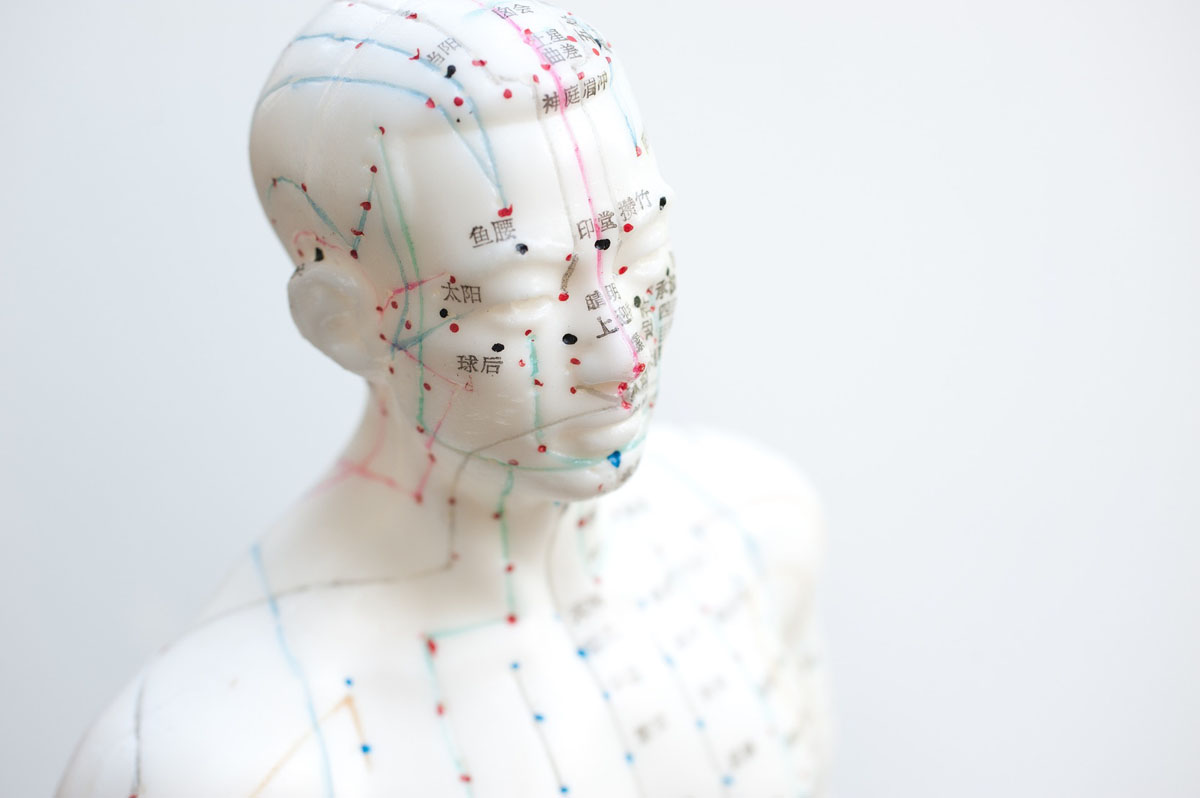
acupuncture meridian small intestine

TCM pairs energetic meridians so that they form a complete circuit, to maintain a balance, there is always a yang and a yin meridian, which you may recognize as a black and white circular symbol. The small intestine meridian is paired with the heart meridian. Imbalances in the small intestine meridian can lead to problems such as abdominal pain, digestion issues, and also appetite problems like overeating or poor appetite. The small intestine meridian starts at the outer tip of the pinky finger and runs up the arm, over the scapula of the shoulder, continues up the neck, and ends in front of the ear. The meridian pathway allows for it to be useful in treating not just intestinal and abdominal issues, but also ailments like earaches, TMJ, shoulder, and neck pain.

The small intestine is the controller of the reception, transformation, and separation of solids and fluids. It receives food and fluids from the stomach and then transforms them by separating the pure from the impure. The pure essence is dispersed throughout the body and the impurities are flushed into the large intestine for eventual removal from the body.

The small intestine meridian is particularly sensitive to cold. Therefore eating lots of cold, raw foods can actually lead to problems in the small intestine. When excess cold invades the small intestine, there may be pain around the navel, watery diarrhea or loose stools, frequent clear urination, and loud gurgling sounds in the abdomen.

In TCM, the small intestine plays both a physical and a mental role. The mental role of the small intestine is to separate the clear thoughts from the turbid ones. This is another way the small intestine is connected to the heart in TCM. The heart houses the mind and is in charge of all of our mental health. Clear judgment depends on the ability of the small intestine to separate the pure from the impure. When there is dysfunction in the small intestine, then there may also be dysfunction in the mind.

While the small intestine may not seem as important as the heart or the kidneys, it is still an integral part of our body and as such, it should be taken care of equally as well. If you experience any abdominal or emotional issues, give us a call, and let’s schedule your first appointment! But most of all, take good care of your gastrointestinal health and your body will respond favorably.

Posted in | Comments Off on Acupuncture and the Small Intestine

TCM for Summer Heat

Traditional Chinese Medicine or TCM, is a medical system that dates back nearly 3,500 years. This system uses modalities like acupuncture and botanical formulas to treat ailments and keep the body balanced. TCM acknowledges not four, but five seasons. 

The fifth season that differentiates from the other seasons that many go by is called Indian summer. This 5th season occurs in late August through mid-September. Each season according to TCM has a pair of organs or energetic pathways it corresponds to.

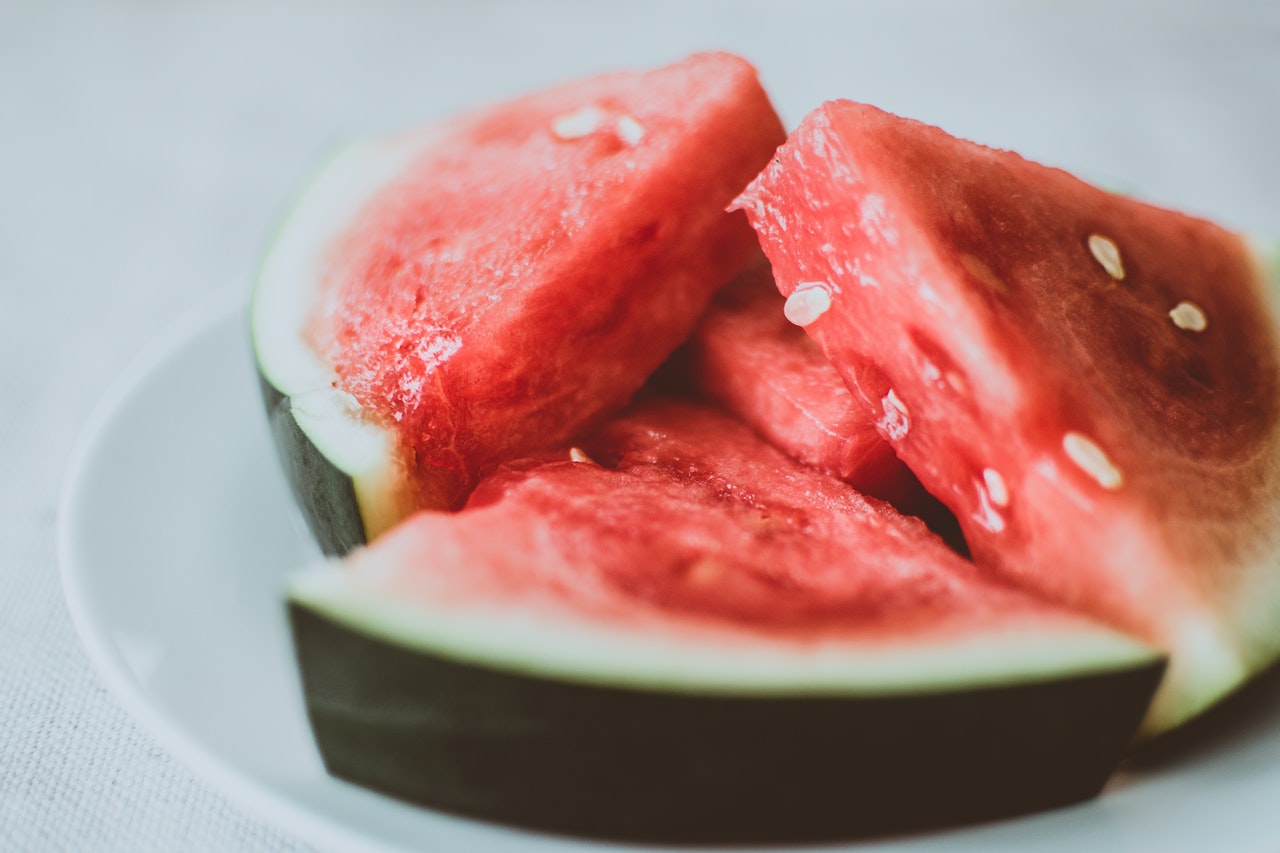
watermelon tcm five seasons summer

For Indian summer, these organs are the spleen and stomach which are directly responsible for digestion. The spleen also has the added function of transporting and absorbing water in the body. When the spleen is not functioning properly, the body may suffer from a buildup of dampness which can manifest as edema, digestive issues, diabetes, and even brain fog.

Indian summer tends to be the time of year when most people experience health issues such as heatstroke, although it can happen at any time of year. Here are some ways TCM can help you deal with the excessive summer heat.

ACUPUNCTURE FOR SUMMER HEAT:
As mentioned, when summer comes to an end, it tends to heat up before the transition into Fall and this is when many people experience heatstroke. This is where acupuncture comes into play. Along with regulating the body temperature, acupuncture can decrease any inflammation that may have occurred during the heatstroke episode and the acupuncture treatments can help with the digestive issues frequently accompanying heatstroke.

Acupuncture points for summer heat:

Heart 8 Located on the palm of the hand between the pinky and ring finger. Found by making a fist, Heart 8 can be used to decrease thirst and restlessness, while also treating insomnia.

Large Intestine 11 This point can be found bilaterally at the outer end of the elbow crease created when the arm is flexed. Large intestine 11 clears heat, drops a fever and decreases any inflammation that may be occurring due to excess heat in the body.

Pericardium 3 – Located bilaterally on the inner elbow next to the large tendon, this point is great for sunstroke or anxiety that often accompanies heatstroke.

CHINESE HERBS AND FORMULAS FOR SUMMER HEAT:  Another important component of TCM is the use of herbs and herbal formulas. Many times herbs can be used alone, but there will be a more synergistic effect when single herbs are combined to make a formula. One such herb is the lotus leaf, also known as He Ye. This herb is frequently used to treat diarrhea associated with summer heat. A go-to herbal formula used to clear summer heat is Qing Luo Yin. This formula eliminates the symptoms of heatstroke, such as fever, blurry vision, and brain fog. It’s not a bad idea to keep this formula on hand when spending lots of time outside during the summer.

DIETARY RECOMMENDATIONS FOR SUMMER HEAT: Nutrition can also be very important in preventing summer heat or heatstroke. Certain foods have been used for centuries to fight summer heat. One of these is watermelon. Watermelons are 90 percent water and therefore eating it throughout the warmer summer months can help keep your core body temperature low enough that heatstroke is more preventable. Another cooling food is mint and it can be used in many summer food recipes. It is frequently added to a pitcher of water to create a nice refreshing drink that can be sipped all day long, or added atop a fruit salad consisting of strawberries, blueberries, and watermelon.

Posted in | Comments Off on TCM for Summer Heat

Eastern vs. Western: How the Medical Practices Differ

Almost everybody knows there are two very unique ways of treating disease and maintaining health. But not everybody knows how these two methodologies differ from one another. And depending on where you live in the world, there may be one that is more prominent than the other. Both systems have their pros and cons. So let’s differentiate between the two. This is the battle between Eastern and Western medicine.  Let’s get ready to rumble! continue reading »

Posted in Acupuncture, Traditional Chinese Medicine | Tagged , | Comments Off on Eastern vs. Western: How the Medical Practices Differ

The Flu & You – How Can TCM Help?

Chinese medicinal clinical studies have suggested that using acupuncture as a preventative approach to colds and flu can reduce the incidence of upper respiratory tract infection and shorten the duration of the illness. Acupuncture and Chinese medicine work by rebalancing the body’s systems, regulating the body’s healing energies, and enhancing the immune system.

Even though germs, bacteria, and viruses are everywhere—in the food we eat, the air we breathe, and the water we drink—according to Chinese medical theory, they do not cause disease. Illness occurs when our Wei Qi and our meridian organ systems are weak and out of balance. When this occurs it creates a hospitable for germs, bacteria, and viruses to thrive, leading to a cold, the flu, or worse. continue reading »

Posted in Acupuncture, Traditional Chinese Medicine | Tagged , , , | Comments Off on The Flu & You – How Can TCM Help?

Meridian Point: Large Intestine 4

Large Intestine 4 is one of the most important and influential acupoints in the entire body. The Chinese name for Large Intestine 4 is “He Gu” meaning union valley or converging valley. The point is located on the hand in the web between the thumb and index finger, also described as the depression where the index finger and thumb bones part. This area of the hand is often described as “valley like” hence the name converging valley. continue reading »

Posted in Acupuncture, Traditional Chinese Medicine | Tagged , , , , , | Comments Off on Meridian Point: Large Intestine 4
8123744518 Directions Contact/Schedule